Q&A with Andrew Allen, president and CEO of YSS
Founded in 1976 as Youth and Shelter Services, YSS has grown to become one of Iowa’s largest and most comprehensive youth services organizations, with more than 350 employees helping more than 10,000 kids and families every year. Its original focus on shelter has expanded to include an entire continuum of care with a specialized emphasis on substance abuse and recovery.
Financial Perspectives: Tell us how YSS came into existence.
Andrew Allen: We were founded by George Belitsos, who I call Iowa’s greatest friend to children. George pioneered the idea of providing emergency shelters for runaway and homeless youth. He created a drop-in program that operated from Friday nights through Sunday mornings. But he soon realized that on Sunday mornings, when the weekend program concluded, the kids had nowhere else to go.
So he found an old house and started providing emergency shelter. Initially, he had no funding and no real structure, yet he was able to build a support system from the ground up.
FP: How did that lead to the services you provide today?
AA: Years ago, we realized that many of the kids in our shelters were living with mental health or substance use issues, which led to our development of treatment programs. But we quickly realized that something should be done to help prevent these issues in the first place? Today, nearly a third of our resources go toward prevention and early intervention.
FP: What drew you to your leadership role at YSS?
AA: While my official title is president and CEO of YSS, my most important title is alumnus. This was the organization that saved my life when I was a teen. I’d been arrested on felony charges. I was heavily into drugs and alcohol, expelled from school, and misdiagnosed as a sociopath. But what I really had was an untreated substance use disorder. And at 17, I was sent to YSS instead of detention, which was a lifesaver. I got treatment. I met George. And I’ve been sober ever since. Later, I became the charter youth member on our board of directors, participated in many fundraising campaigns, and, ultimately, left the corporate arena to help carry on George’s vision.
FP: While you now serve a statewide need, you still have a significant presence in central Iowa.
AA: Yes. We were founded and still headquartered in Ames. But we have community-based centers as far north as Mason City, as well as Marshalltown and Boone, Polk County and Des Moines. Just last year, we opened Ember Recovery Campus, a 50-acre nature-based campus north of Ankeny, which provides crisis stabilization and addiction treatment for Iowa kids as young as 12, all the way up to young adults to age 24.
FP: What do you mean when you say you provide a continuum of care?
AA: Many assume YSS only serves deliquent or low-income youth. But the fact is that we’re focused on serving all youth from infancy to independence – including before and after school programs and mentoring programs, as well as prevention, treatment, housing and transition services for youth aging out of foster care.
FP: Do you welcome volunteers?
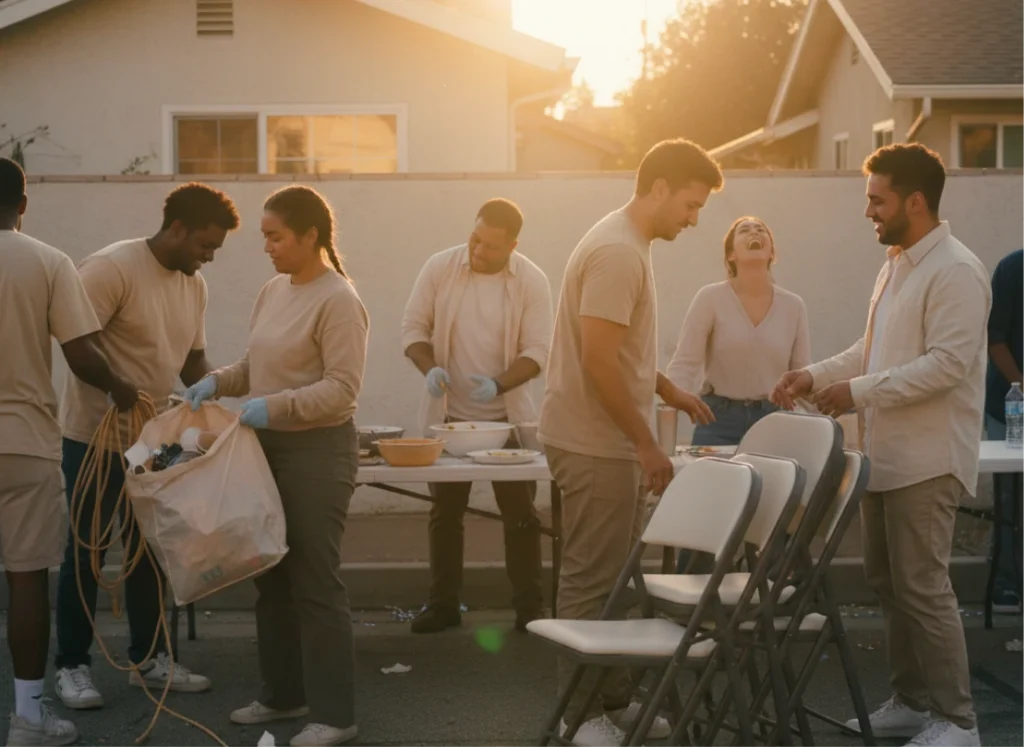
AA: Yes. We were founded as a volunteer organization. And while we have a professional staff, today, we continue to be led by a volunteer board of directors. We never miss opportunities to invite people to share their skills, talents, and interests with the children, young adults, and families we serve.
I like to say that when you invest time, talent, or treasure in YSS, you create an impact that is transformational. You literally help us change lives.
FP: How are you funded?
AA: We have diversified funding streams that help us reach nearly 90 percent of our $30 million annual budget. But we rely on individual donors and corporate sponsorships to make up the difference. Also, many of the grants we receive require matching gifts from the community.
More information about volunteering or investing in our mission is available at yss.org.
FP: What if we know someone who could benefit from YSS services?
AA: One out of every two Iowans has a mental health issue. One out of every six suffers from a substance use disorder. The first step is to acknowledge that these issues are not rare. They’re pervasive and treatable, especially with kids.
If you think a child or someone you care for has an issue, call us. We can provide free screening and guidance on potential support and other options that can help youth and families live life to their full potential.