
Q&A with Melissa Clarke-Wharff, Executive Director of Can Play
How Did You Get the Idea to Create Can Play?
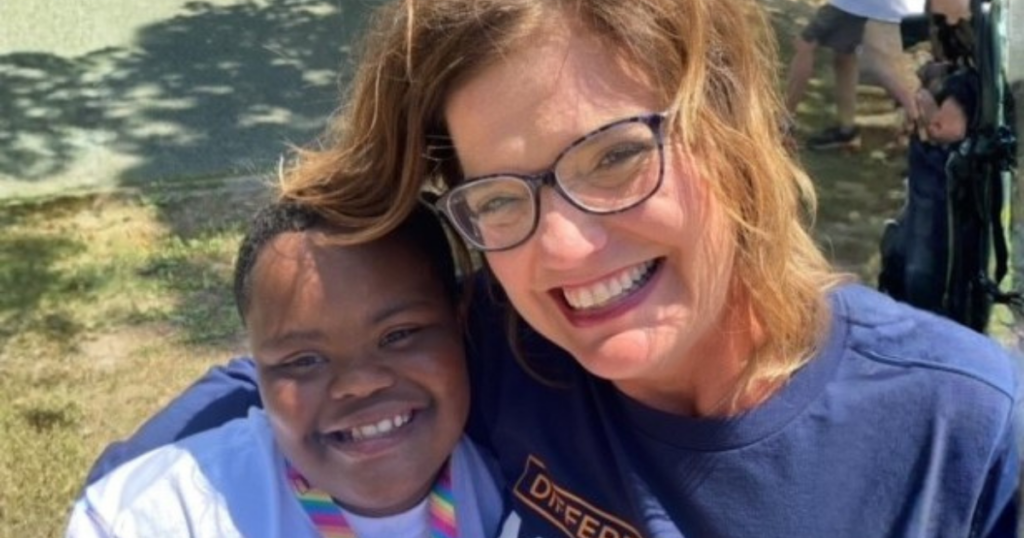
Melissa Clarke-Wharff: It began as a personal story 14 years ago. My son Jack suffered six strokes at the age of eight, resulting in both physical and cognitive challenges. During his many therapy sessions, we saw that other kids were facing similar issues. In fact, research revealed that thousands of children in the Greater Des Moines area were living with some type of physical, cognitive, or emotional disability.
Before his strokes, Jack was very active in the Y and Park & Rec leagues. And he still wanted to play, not just sit on a bench. His therapists were supportive. It was clear that there was a need for spaces where kids could work on what they were doing therapeutically, but in recreational settings. That’s how we started. And we’re so proud of the impact we’ve had on the kids who’ve come through our program over the years.
How Easy Is It For Kids to Engage with Can Play?
We promote the program through schools, therapy and rehab facilities, ChildServe, and pediatric hospitals. And we try to make signing up as simple as possible. We don’t need a full medical history when a child comes in. We just want to know the best way to keep them safe in the program or if they have any adaptive equipment we need to be aware of. We don’t want the financial piece to be a burden, either. The costs are very low. But if you can’t pay, that’s okay, too.
What Kinds of Programs Do You Offer?
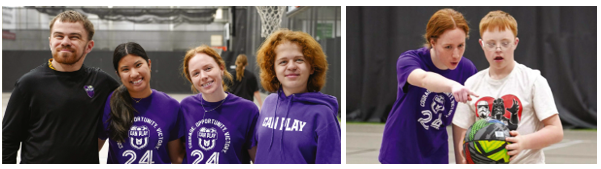
We offer adapted versions of all the traditional sports – soccer, basketball, diamond ball (a combination of baseball and softball), and others. We adapt the pace and style of play to make sure they’ re all barrier-free, no matter what a child’s disability might be. We offer Superhero training, which is our fitness program. And we also offer adult programming.
How Many Kids Do You Work With in a Given Year?
We average anywhere from 3,500 to 4,000 kids a year, including programs with schools and other community partners.
Sounds Like You Need a lot of Volunteers, Too.
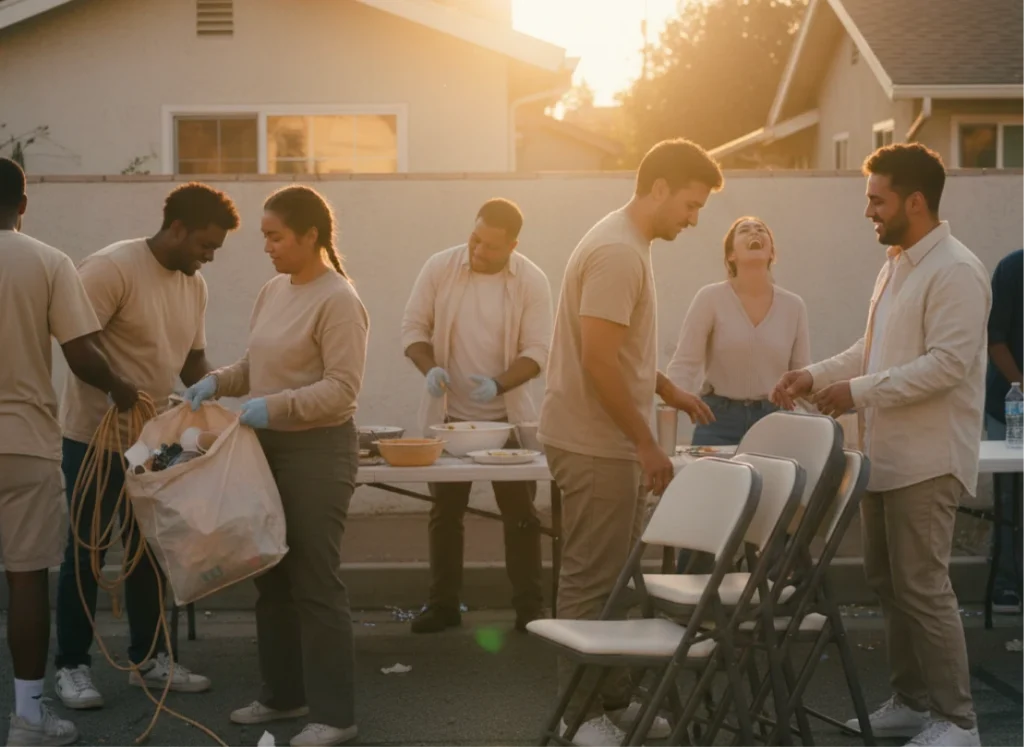
Volunteers play a huge role in our success, and we average around 700 each year. Many are high school students who are getting hours in for credit. We also attract college students who are working on pre-education or health sciences career paths. If you’d like to join us, we happily welcome individual volunteers, as well as help from community groups and businesses.
What Do You Look for in a Volunteer?
Really, the most important criteria is to have a big heart and be willing to leave your ego at home. You get to be a teammate. You get to come out and play. You might be throwing or catching a ball. You might be helping check kids in. You might be demonstrating an activity or coaching. Do you have to be a former athlete? No. Do you need experience playing a sport? No. Since we’re very recreation-based, our volunteers have a very wide range of interests and abilities.
Often, the most rewarding piece for both the kids and volunteers revolves around social engagement and play.
How Can We Find Out More About Volunteering?
Just reach out. There’s a short application form on our website that links to all the volunteer opportunities.
How Important Are Donations?
While we have had some success in writing grants and building corporate support, about twothirds of our budget is funded through individual donations and fundraisers. More information is available on our website.
One of our most popular fundraising events is coming up in July. It’s an indoor whiffleball tournament, where everyone hits, catches, and throws their non-dominant arms. It’s a way to get a little bit of an idea about what it’s like to experience the same challenges our kids have.
Are you up to the challenge? You can visit their website for more information about participating in the Can Play Whiffleball Tournament.