


A better investment experience starts with discipline, not prediction.
Successful investing isn’t about predicting markets. It’s about applying disciplined, evidence-based principles that improve your odds of long-term success.
Here are the key principles that can lead to a better investment experience.
1. Embrace Market Pricing
Financial science has taught us that the market is an effective information-processing machine. Each day, the world equity markets process billions of dollars in trades between buyers and sellers — and the real-time information they bring helps set prices.

2. Don’t Try to Outguess the Market
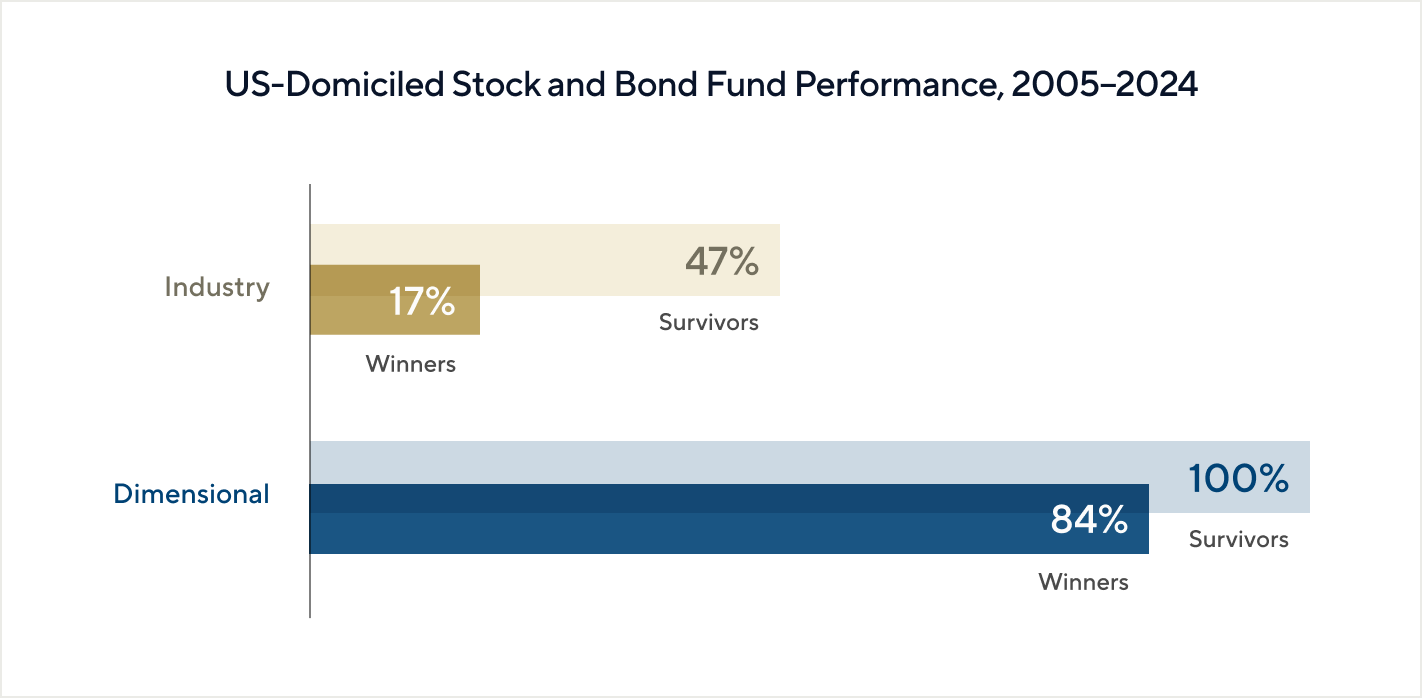
The market’s pricing power works against stock pickers and market timers: Only 17% of US-domiciled funds beat their benchmarks over the past 20 years. In contrast, by using information in prices, 84% of Dimensional funds have beaten their benchmarks in that time.
3. Resist Chasing Past Performance
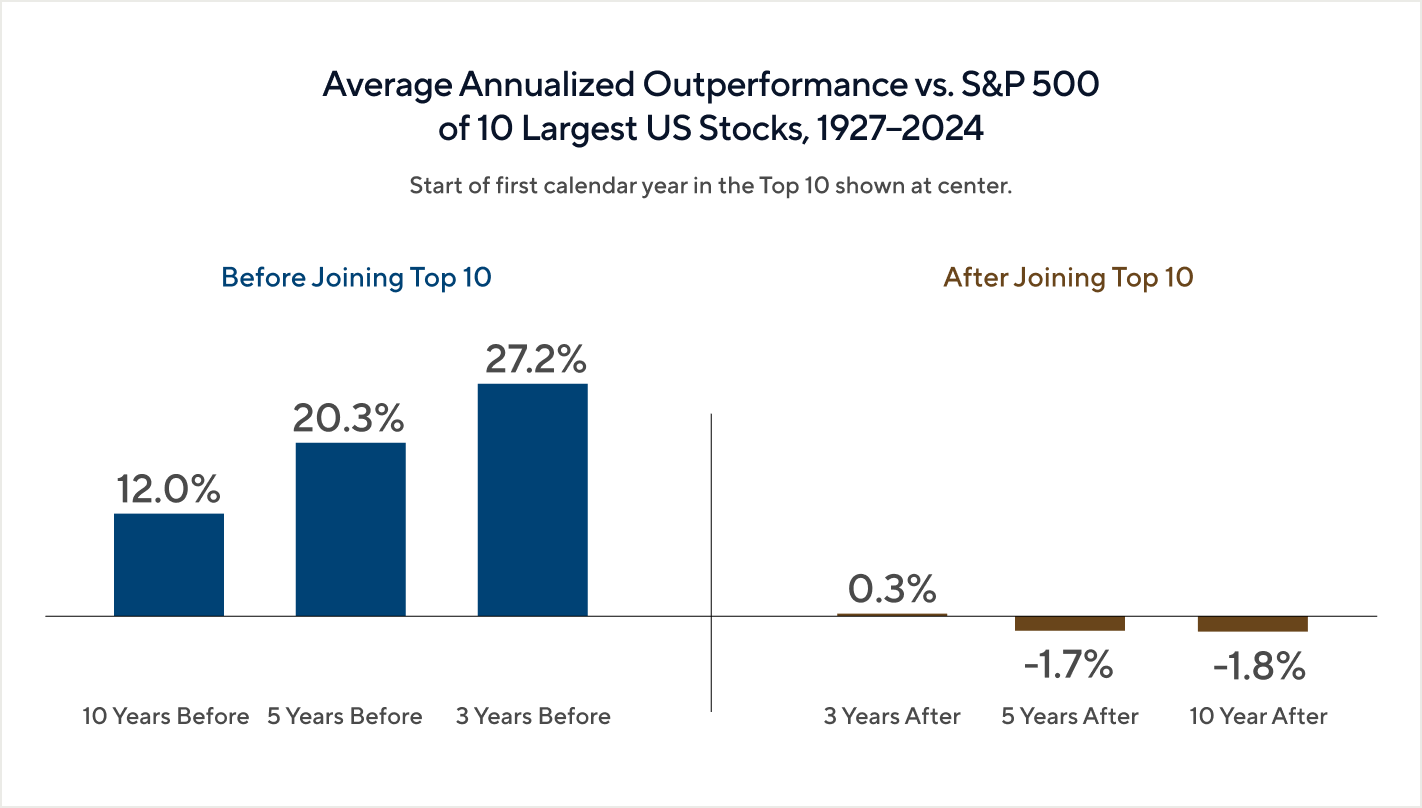
Some investors make choices based on past returns. Yet past performance offers little insight into future returns. For example, stocks that have grown to be among the 10 biggest in the US have tended to lag the overall market after reaching that size, failing to maintain their strong performance.
4. Let Markets Work for You
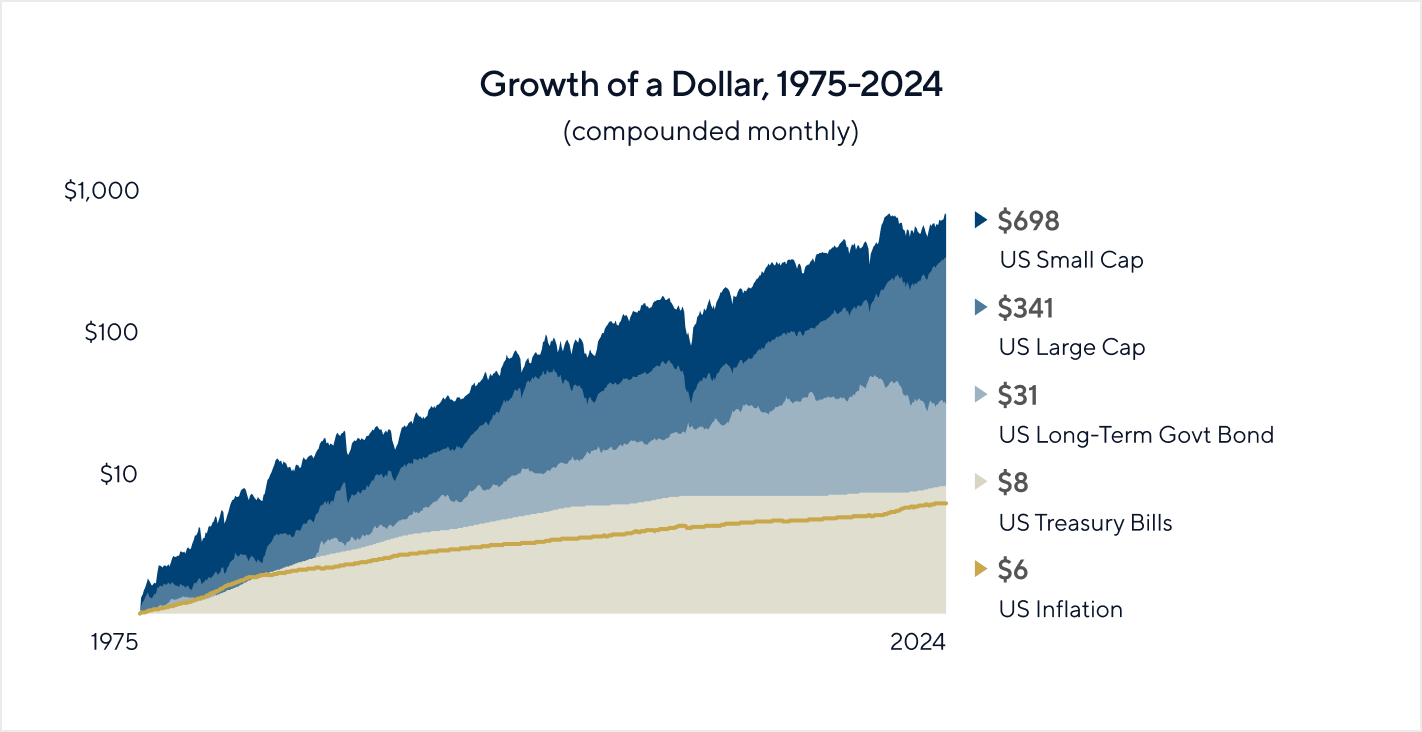
The financial markets have rewarded long-term investors. People expect a positive return on the capital they supply, and the stock and bond markets have provided growth of wealth that has more than offset inflation, as this chart of the past 50 years shows.
5. Target Higher Expected Returns
Academic research into decades of stock and bond returns has identified long-term drivers of outperformance. By investing systematically in the areas with higher expected returns, you can aim to beat the market.
Stocks
- Smaller companies have outperformed larger companies over time.
- Value stocks have outperformed growth stocks over time.
- Companies with higher profitability have outperformed lower profitability peers.
Bonds
- Wider term spreads have generally led to higher term premiums.
- Wider credit spreads have generally led to higher credit premiums.
- Global currency exposure may offer opportunities for higher expected returns and diversification.
Systematically structuring portfolios along these dimensions may improve long-term outcomes.
6. Diversify Internationally
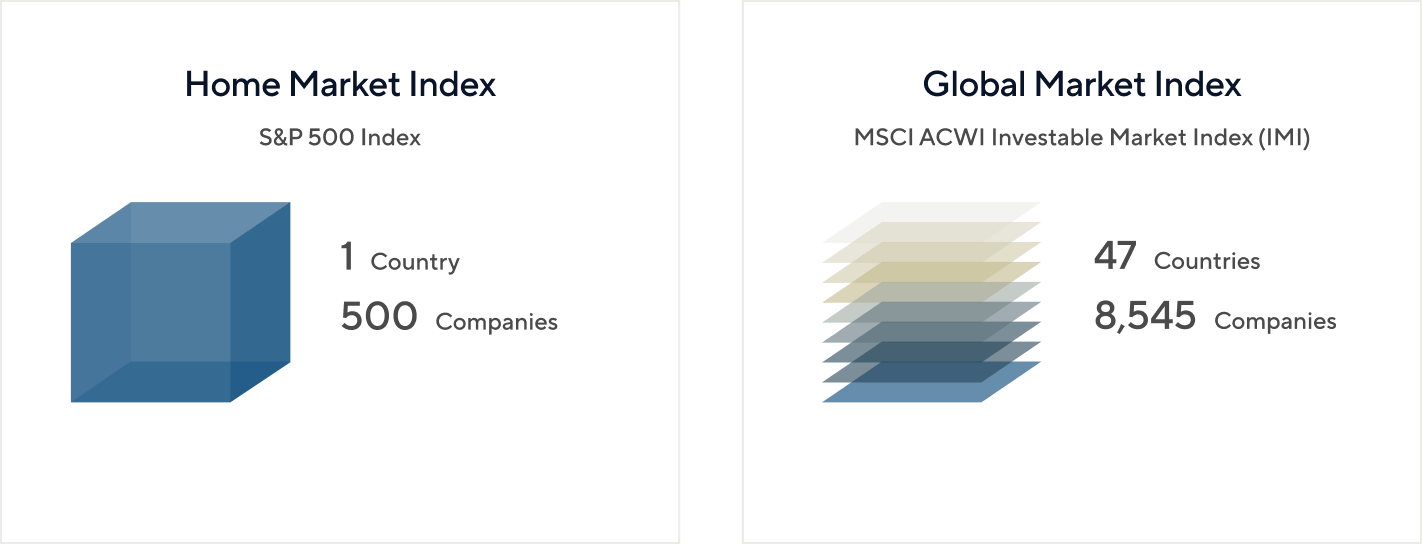
A globally diversified portfolio expands opportunity beyond a single country.
For example:
- The S&P 500 represents 1 country and 500 companies.
- The MSCI ACWI IMI includes 47 countries and 8,545 companies.
Global diversification can increase opportunity while reducing reliance on any one market.
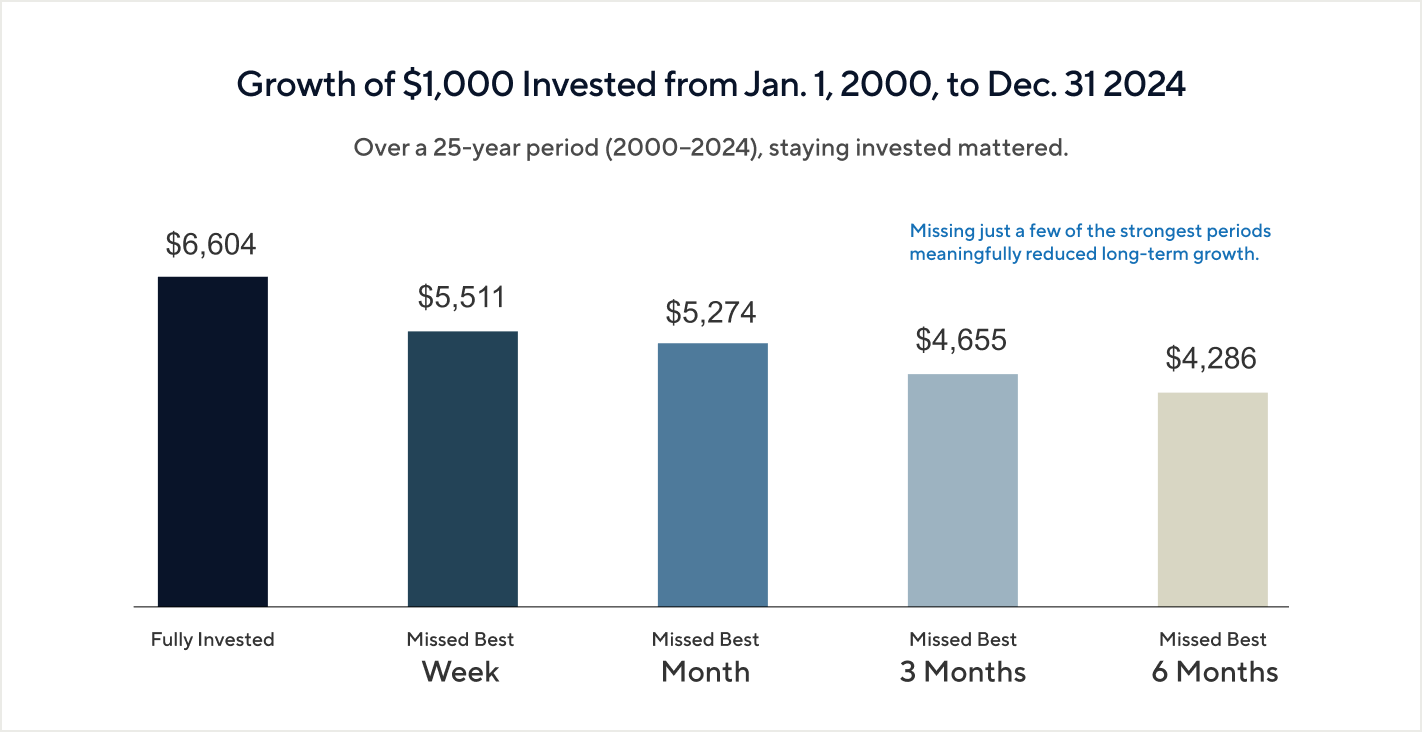
7. Avoid Market Timing
Missing even a short period of strong market returns can significantly impact long-term results.
From 2000–2024, the growth of $1,000 invested changed meaningfully if an investor missed the best week, month, or several consecutive days.
8. Manage Your Emotions
Markets fluctuate. Emotions follow.
Fear, greed, optimism, and nervousness often lead to reactive decisions—buying high or selling low.
Investment discipline requires separating short-term market movements from long-term strategy.
9. Look Beyond the Headlines
Market headlines are designed to attract attention. They often amplify fear or hype.
Examples:
- “Best Stocks for the Coming Recession”
- “The Investment That’s Safer than Cash”
- “It’s Time to Bet Against Oil”
Before reacting, ask:
- Is this information or entertainment?
- Does it align with my long-term plan?
10. Control What You Can Control
While markets are unpredictable, investors can control:
- Creating a plan aligned with goals and risk tolerance
- Structuring portfolios around expected return drivers
- Diversifying globally
- Managing expenses, turnover, and taxes
- Staying disciplined through market highs and lows
Following time-tested principles can lead to a more consistent, confident investment experience.
Conclusion: Evidence Over Emotion
A better investment experience doesn’t require forecasting the next market move. It requires discipline, diversification, and alignment with research-backed principles.
If you’d like to review how your portfolio aligns with these ideas, we’re here to help.